Our History
History of New Hall and its School
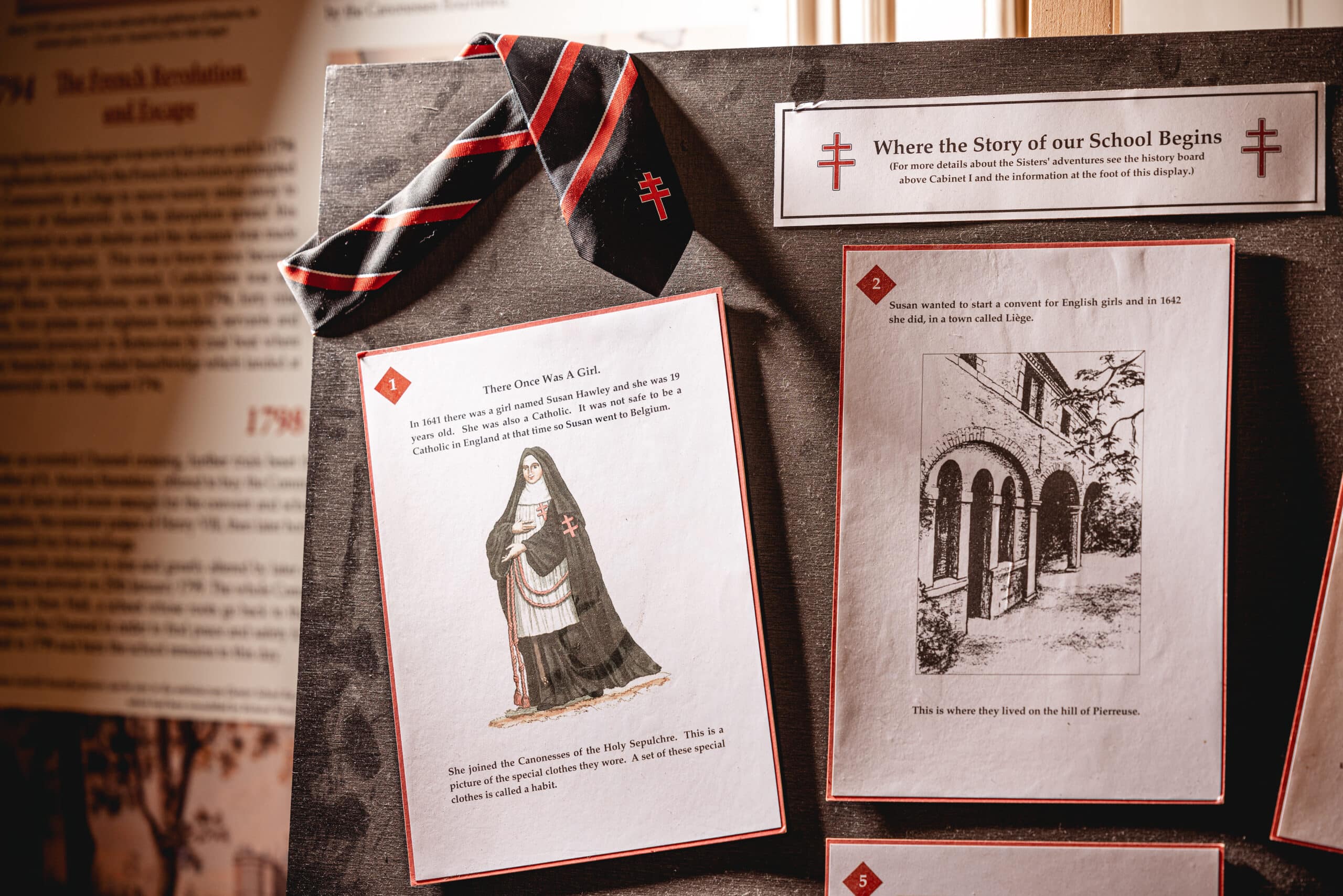
New Hall School, founded in Liège, (in what is now Belgium), in 1642, is one of the oldest Catholic schools in the UK. The faith which lies at the heart of our school’s foundation, remains essential to its character today.
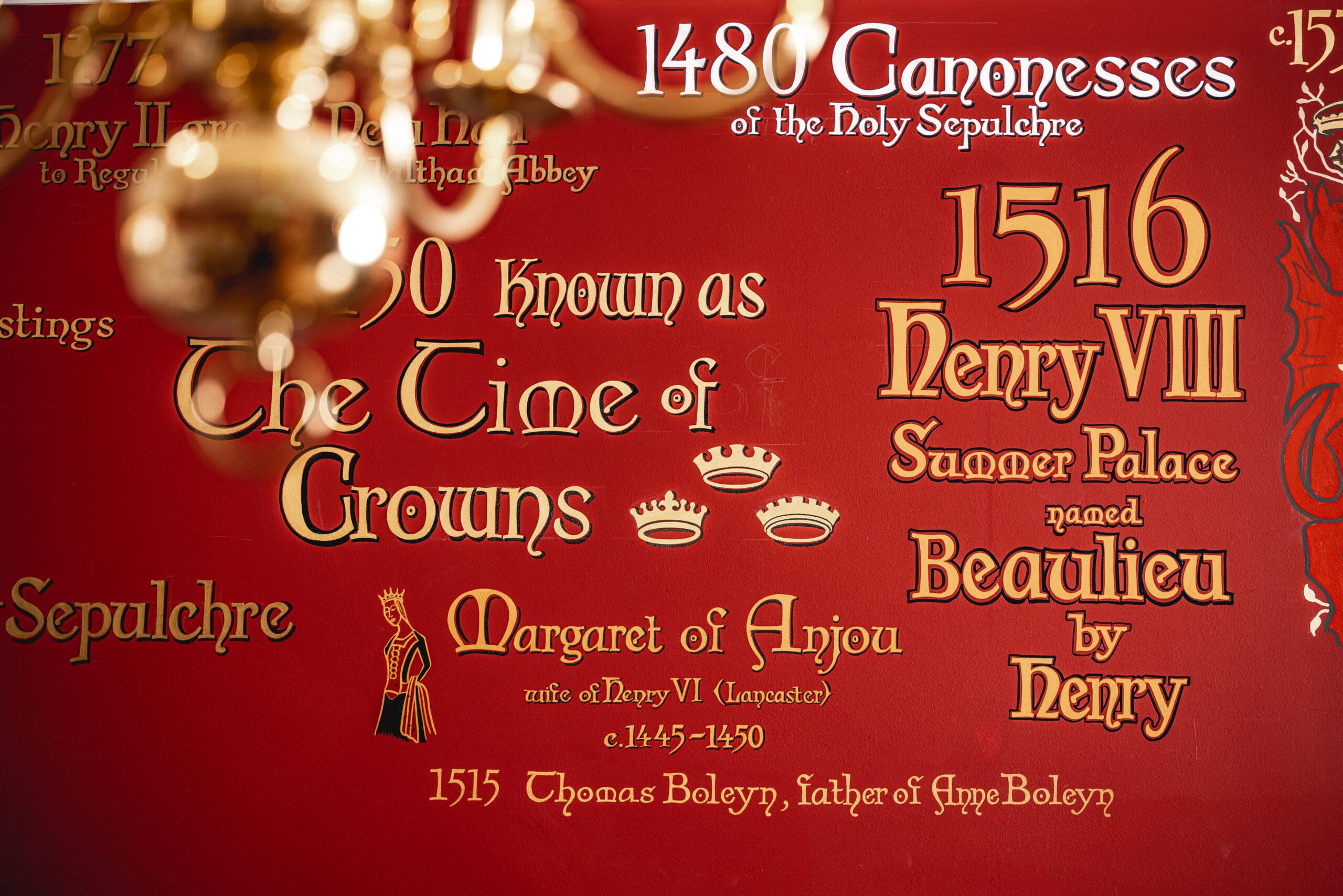
The religious order which founded the school, the Canonesses of the Holy Sepulchre, is one of the most ancient in the Church. The English Religious Community was founded by English woman Susan Hawley in 1642 after she was trained in the Religious Life of the Holy Sepulchre in the Low Countries. The Community educated young girls who were sent to them from the earliest days of its foundation. The Community’s spirituality, rooted in the Augustinian tradition, has a special emphasis on the Resurrection, prayer, community life, hospitality and service to others.
The school offered a Catholic education to girls who were denied this in England at the time. However, in 1794, the French Revolutionary Wars forced the nuns out of the Low Countries and the school finally settled on its current site in 1799.
History of the New Hall Estate
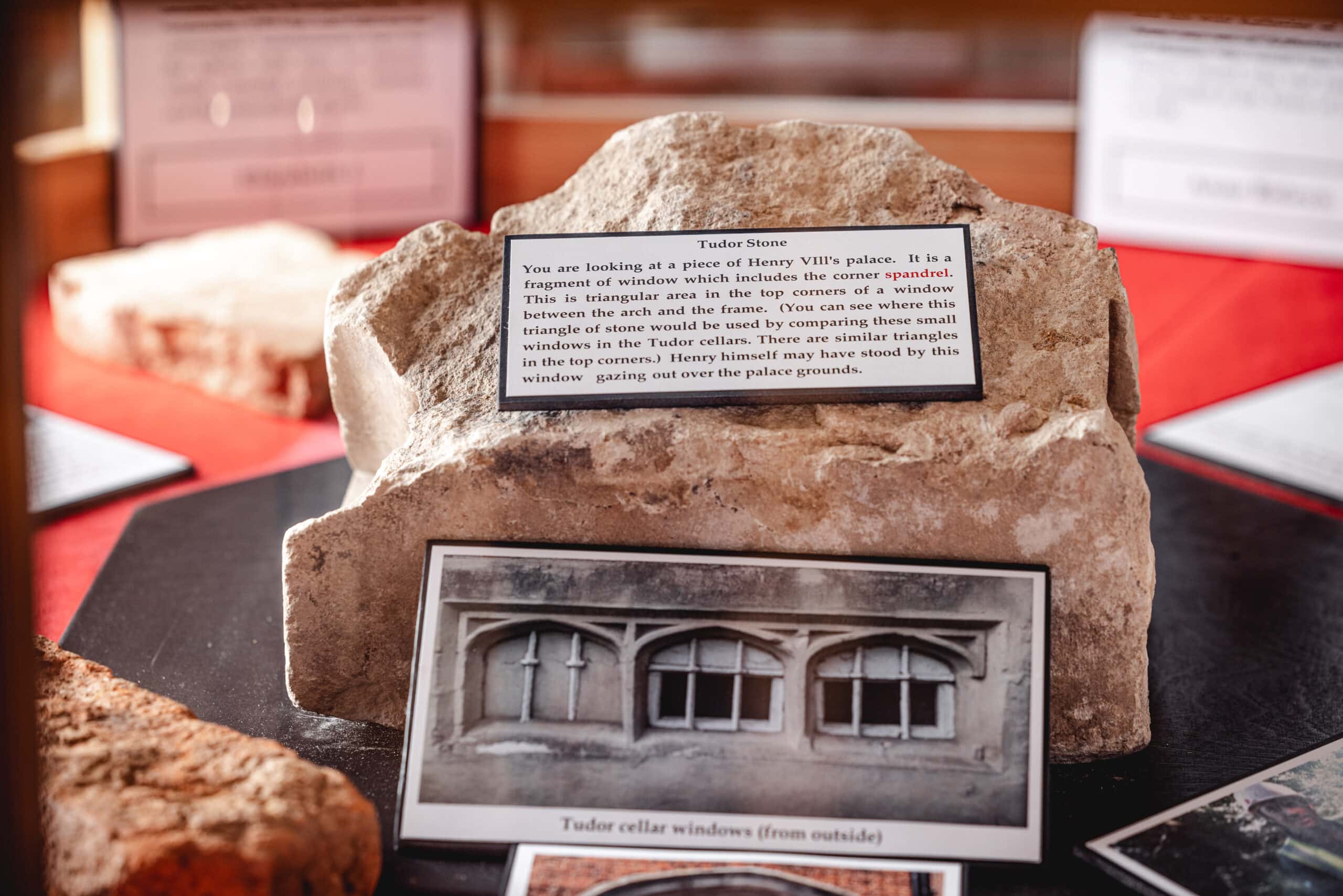
New Hall has occupied the magnificent Tudor Palace of Beaulieu since 1799. The estate was acquired by King Henry VIII in 1517, at which time the building was greatly enlarged and enhanced. Henry VIII’s Royal Arms can be seen in the Chapel at New Hall. After Henry, New Hall became home to Mary Tudor, before being granted to the Earl of Sussex by Elizabeth I. Oliver Cromwell later procured the estate, for five shillings! In 2009, Channel 4’s Time Team filmed at New Hall for their special feature-length documentary, Henry VIII’s Lost Palaces.
History of Preparatory Schooling at New Hall
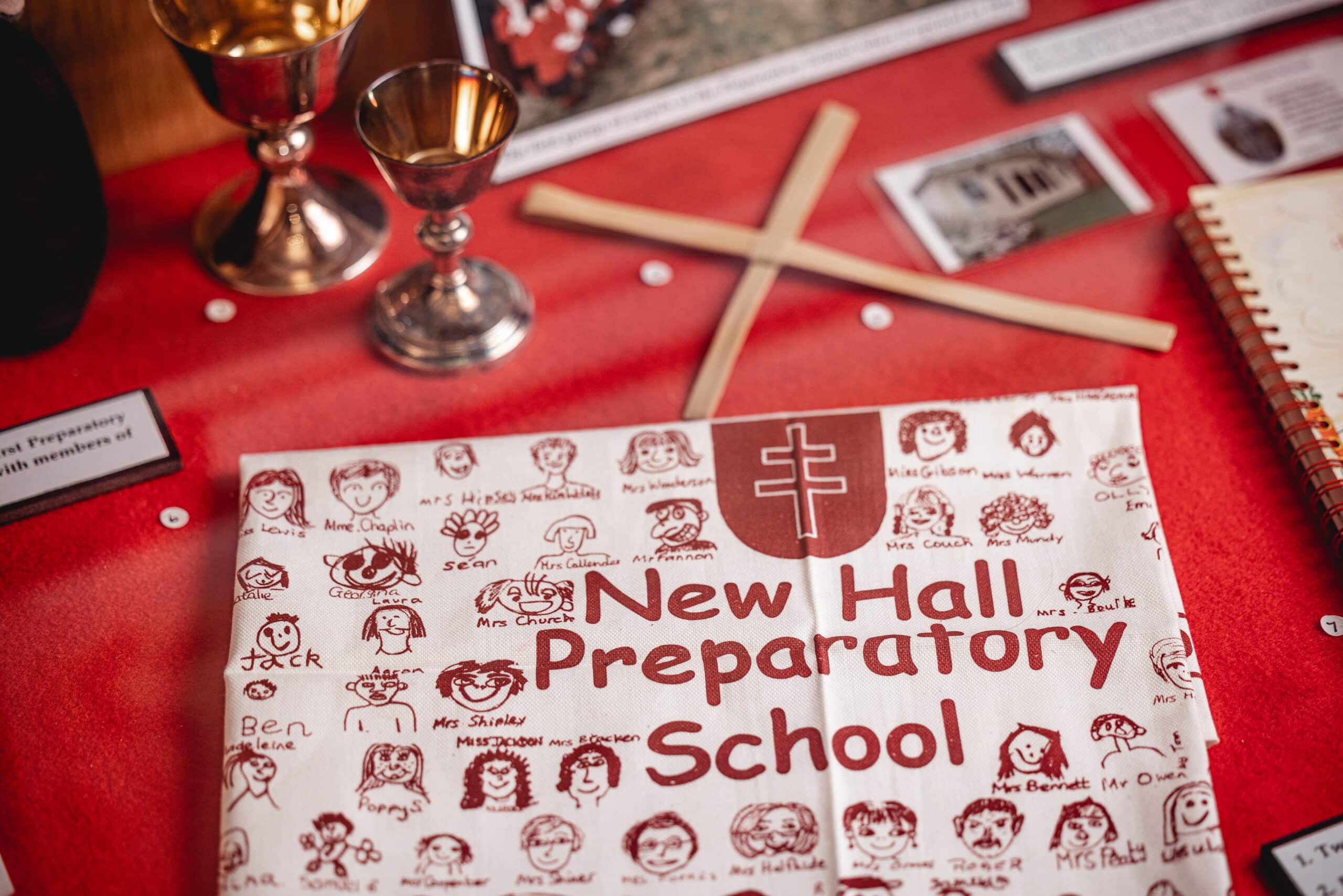
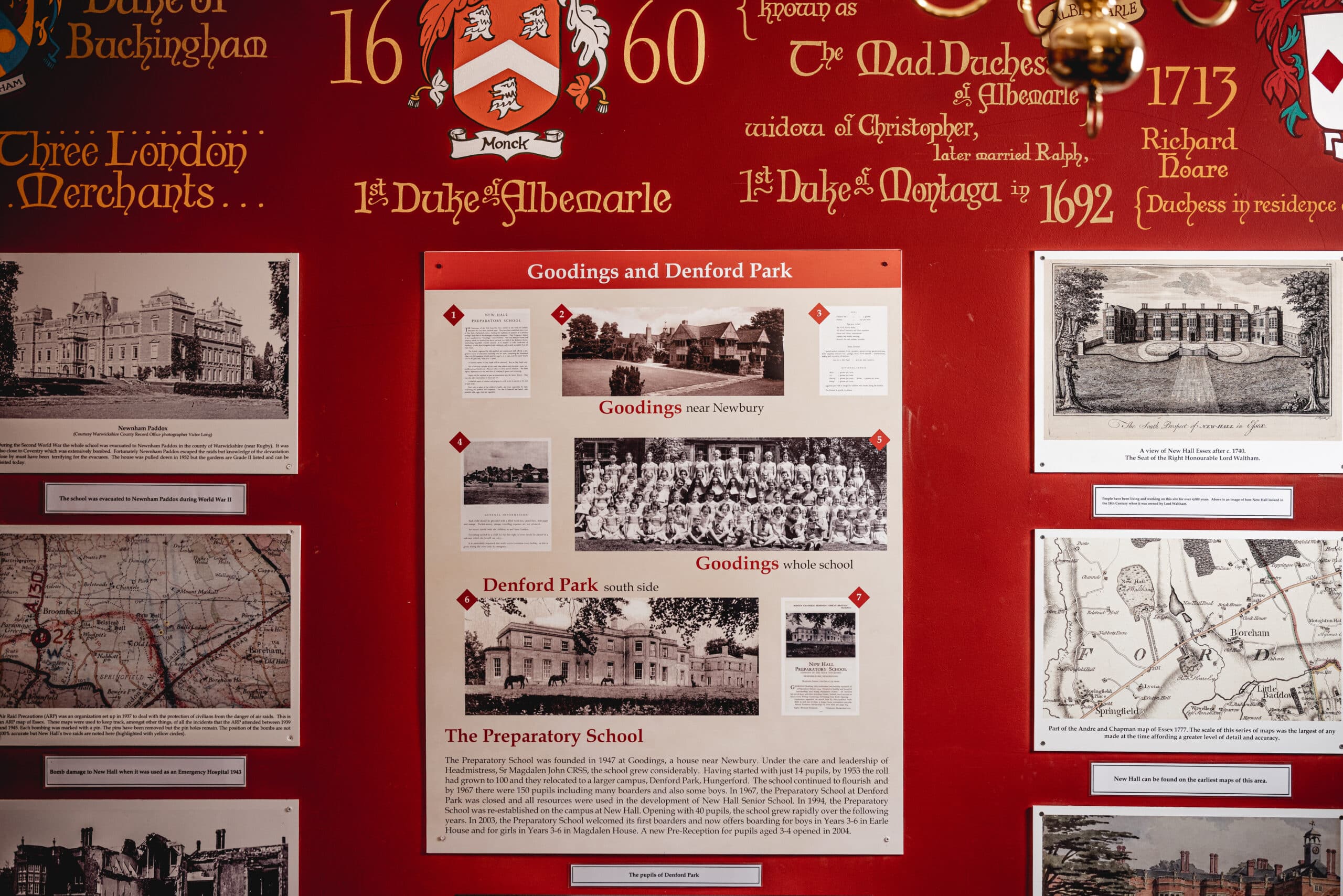
The Preparatory School was founded in 1947 at Goodings, near Newbury, with just 14 pupils. The school thrived under the leadership of Headmistress Sr Magdalen John CRSS and, with 100 pupils, relocated to a larger campus at Denford Park, Hungerford, in 1953.
The school remained at Denford until 1967, at which time there were 150 pupils, many of whom were boarders and with some boys as well as girls. The Preparatory School was closed in 1967 and all resources were put into the development of New Hall Senior School. As a result, from a boarding school of around 140 girls in the 1960s, New Hall became, by the 1980s, a large boarding and day school for over 500 girls.
In 1994, the Preparatory School was re-established on the campus at New Hall. Opening with just 40 pupils, the school grew rapidly and, in 2003, the first Preparatory boarders were welcomed. A Pre-Reception provision was opened for pupils aged 3-4 in 2004.
New Hall School Today
Today, we continue to draw on our heritage and Catholic foundation, but we have evolved to meet the needs of the modern age.
Katherine Jeffrey, the School’s first Lay Principal, was appointed in 2001. The New Hall School Trust (NHST) was established in 2005 as a new registered charity (1110286) and limited company (05472420), registered at New Hall School, Boreham. The primary objective of the NHST, as set out in the Memorandum and Articles, is ‘to advance the Roman Catholic religion by the conduct of a Roman Catholic School’. The Religious Community now has a new main house in Colchester:
74 Howe Close, Colchester, Essex CO4 3XD Tel: 01206 867 296
In 2005, the announcement was made that the Senior Divisions would embark on a period of further expansion, with the establishment of a separate Boys’ Division (11-16) and a co-educational Sixth Form. The Senior Divisions now have equal numbers of boys and girls throughout the 11-19 age range and two boys’ boarding houses are fully established alongside the two boarding houses for girls. The pupil roll for the entire school stands at approximately 1400 students, from Nursery through to Sixth Form. In recognition of the pioneering and innovative move to establish a diamond model school, together with the exceptional success in doubling the school roll and raising standards of academic and co-curricular achievements, New Hall won the National Independent Schools Award for Outstanding Strategic Initiative in 2011.
In 2016, New Hall was awarded the TES Independent School of Year, with judges identifying the School as ‘clearly effective…at all levels and exemplar of a can-do attitude throughout’. Judges commented that the ‘holistic approach by school leaders… has reaped success across the board’.
The School’s Green Travel and Transport Strategy made a significant impact on reducing local congestion. For this New Hall was given ‘the Initiative of the Year Award’.
In 2019, New Hall opened a nursery onsite for children aged 1-4, offering an educational programme in specially designed, age-appropriate rooms as a seamless prelude to their education journey and their life in the New Hall community. The purpose-built nursery building features a landscaped outdoor learning area, whilst children also benefit from access to New Hall’s 180 acres to accompany and complement their learning, imagination and thirst for adventure.
In January 2023, New Hall School acquired an additional 70-acre site, New Hall Park Farm, which is 2.8 miles away from the School site in Little Baddow. This forms part of a much-anticipated reinstatement of New Hall’s Equestrian Centre, which will be an excellent training facility for new and competitive riders.
In November 2024, New Hall School acquired Boreham House, just one mile from New Hall. This is planned to be the new home of New Hall’s Preparatory Divisions from September 2025, subject to the normal planning consents. Boreham House, like New Hall, is a Grade I listed property. It is a stunning heritage building, with extensive facilities, set in 35 acres of countryside. New Hall and Boreham House are historically linked, and both were originally part of the New Hall estate. The jewel in the crown at Boreham House is the oak staircase that was taken from New Hall by Benjamin Hoare in the 1730s and modified in the 1800s, with the addition of heavy cast iron railings.